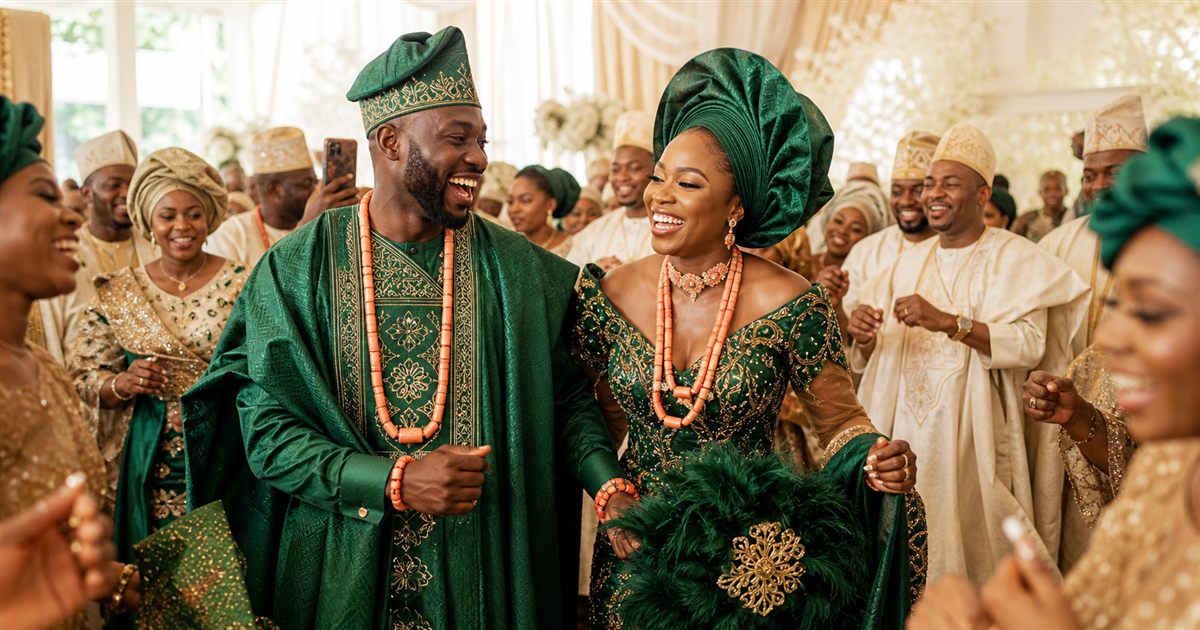
A wedding in Nigeria in 2026 typically costs between ₦2 million and ₦12 million, with grand celebrations in Lagos and Abuja easily running ₦15 million and above. Where your budget lands comes down to three things: how many guests you invite, which city you marry in, and how much of the day you hand to professional vendors versus family and friends.
Below is an honest, itemised breakdown — from an intimate ceremony to a full owambe — plus the real questions couples ask, and a few tips to save money without killing the vibe.
Last updated: September 2026. Figures reflect current Nigerian market rates and industry reporting — one widely-cited report put the average Nigerian wedding at around ₦13 million, with real spend ranging from ₦200,000 for intimate ceremonies to ₦20 million and above for luxury celebrations. We review this guide every year.
The quick answer: three realistic budget tiers
These are typical all-in ranges for the celebration itself (reception, vendors, outfits), before honeymoon and family/traditional-list obligations.
| Wedding style | Guests | Typical total (2026) |
|---|---|---|
| Intimate — small hall or garden, lean vendor list | 50–120 | ₦2,000,000 – ₦4,500,000 |
| Classic — the standard Nigerian white wedding | 150–300 | ₦5,000,000 – ₦12,000,000 |
| Grand — big Lagos/Abuja owambe, top vendors | 300+ | ₦15,000,000 – ₦40,000,000+ |
Most couples planning a "normal" Nigerian wedding fall in the Classic range. The number you actually spend is a series of choices — so here is where the money goes.
A useful guardrail: financial advisers often suggest keeping total wedding spend within 10–15% of your combined annual income, so the celebration doesn't set back your bigger goals.
Full wedding budget breakdown (about 200 guests)
Prices below are realistic market ranges. The low end assumes a modest city, smart bundling and early booking; the high end reflects premium vendors in Lagos or Abuja during peak season.
| Item | Budget range (₦) | Notes |
|---|---|---|
| Venue / hall | 250,000 – 3,000,000 | Lagos & Abuja halls are the biggest swing |
| Catering (food) | 900,000 – 4,000,000 | ₦4,500–₦20,000 per plate × guests |
| Small chops & drinks | 300,000 – 1,500,000 | Cocktail, wine, soft drinks, chops |
| Cake | 80,000 – 600,000 | Tiers, design and delivery |
| Decor & floral | 400,000 – 4,000,000 | Stage, hall dressing, lighting |
| Photography | 150,000 – 1,200,000 | Newer studios from ~₦150k; top-tier + album higher |
| Videography | 300,000 – 2,000,000 | Cinematic film / same-day edit |
| Aso-ebi & bridal outfits | 500,000 – 4,000,000 | Bride's looks, groom's agbada, accessories |
| Makeup & gele | 150,000 – 800,000 | Bride + trials + family |
| MC / compère | 150,000 – 1,000,000 | Top MCs command a premium |
| DJ | 150,000 – 700,000 | Sound and lighting sometimes extra |
| Live band (optional) | 400,000 – 3,000,000 | A signature owambe splurge |
| Event planner / coordinator | 200,000 – 2,000,000 | Often 10–15% of total budget |
| Souvenirs & gifts | 200,000 – 2,000,000 | Priced per guest — scales fast |
| Rentals | 150,000 – 800,000 | Chairs, tables, cutlery, cold room |
| Power / generator | 80,000 – 400,000 | Backup is non-negotiable |
| Security & ushering | 140,000 – 700,000 | Crowd control + guest management |
| Transport & logistics | 150,000 – 1,000,000 | Couple's car, family bus |
| Invitations / printing | 50,000 – 400,000 | IVs, programme, signage |
Add a 10% contingency on top — in Nigerian weddings, the guest count almost always grows, and last-minute extras are the rule, not the exception.
Rule of thumb: catering, venue, decor and outfits usually swallow 60–70% of a wedding budget. Get those four right and the rest falls into place.
Does the city change the price?
Yes — significantly.
- Lagos & Abuja are the most expensive, often 20–40% higher than the national average for the same quality, driven by venue and logistics costs.
- Port Harcourt, Benin and Enugu sit in the middle.
- Ibadan, Ilorin, Abeokuta and most other cities are the most budget-friendly for the same guest count.
A ₦6,000,000 wedding in Ibadan can genuinely feel like a ₦9,000,000 wedding in Lagos.
Traditional vs white wedding
Many Nigerian couples do both, sometimes on the same weekend. Budget for them separately:
- A traditional wedding (engagement) carries the family list, bride price, aso-oke/outfits, and its own catering and decor — commonly ₦1,500,000 – ₦6,000,000+, heavily shaped by family expectations.
- A white wedding is the vendor-driven day the breakdown above covers.
Doing both on one weekend saves on some vendors (decor, photography, MC can be bundled) but roughly doubles catering and outfits.
6 ways to cut costs without cutting the vibe
- Avoid the December rush. "Detty December" (October–December) is peak season — vendors are fully booked and priced at their highest. A January–March or mid-year date can save 15–30%.
- Book early. The best-value vendors get taken first. Locking prices months ahead beats scrambling in-season.
- Trim the guest list, not the experience. Every extra 50 guests adds catering, souvenirs and rentals. A smaller, well-fed crowd beats a large, stretched one.
- Bundle vendors. Many decorators, DJs and MCs offer combined-day or package rates. Ask.
- Let aso-ebi work for you. Sold well, family and friends' aso-ebi can offset a real chunk of your outfit and souvenir costs.
- Compare real prices before you commit. Don't rely on one referral — line up two or three quotes per vendor and negotiate from there.
When should you book your vendors?
For an ember-months wedding (October–December), the good vendors are gone by Q3. If you're marrying this December, you should be locking catering, venue and decor now. For a first-quarter wedding, book three to four months ahead.
Plan your budget with real vendor prices
You don't have to guess. On Owambe Planner you can compare real, current prices from verified event vendors across Nigeria — caterers, decorators, photographers, cake bakers, makeup artists, MCs, DJs and venues — chat with them directly, and build a budget that matches your real plan instead of a random figure. It's free to start.